Metal Foundry: Essential Tips for Choosing the Right Casting Technique
Wiki Article
Why Aluminum Foundry Castings Assistance Much Better Warm Dissipation in Industrial Equipment
Light weight aluminum shop spreadings play an important role in enhancing heat dissipation within industrial systems. Their outstanding thermal conductivity enables for efficient heat transfer, while their lightweight nature improves functional effectiveness. Additionally, progressed spreading methods allow elaborate designs that maximize thermal administration. These qualities collectively contribute to far better performance and power financial savings. Nevertheless, recognizing the complete impact of these homes requires a more detailed assessment of their different applications and benefits in commercial settings.Outstanding Thermal Conductivity of Aluminum
Light weight aluminum is renowned for its remarkable thermal conductivity, making it a recommended material in different applications. This building enables light weight aluminum to effectively move heat, which is essential in markets that count on efficient warmth management. The high thermal conductivity of aluminum permits it to dissipate heat swiftly, reducing the risk of overheating in systems such as engines, electronic devices, and warmth exchangers.Additionally, aluminum's thermal efficiency adds to boosted efficiency and power financial savings in lots of commercial processes. When used in foundry spreadings, light weight aluminum can be molded into elaborate forms that boost heat dissipation even more. This ability is specifically beneficial in applications requiring fast air conditioning or temperature level regulation.
Lightweight Nature of Aluminum Castings
The light-weight nature of aluminum castings offers significant advantages across various industries, particularly in applications where decreasing weight is crucial. This feature boosts functional performance, as lighter parts add to reduce power usage throughout transportation and handling. In vehicle production, as an example, the decrease in total automobile weight can lead to boosted gas performance and boosted efficiency. Likewise, in aerospace applications, the reduction in weight is essential for attaining ideal trip efficiency and fuel savings.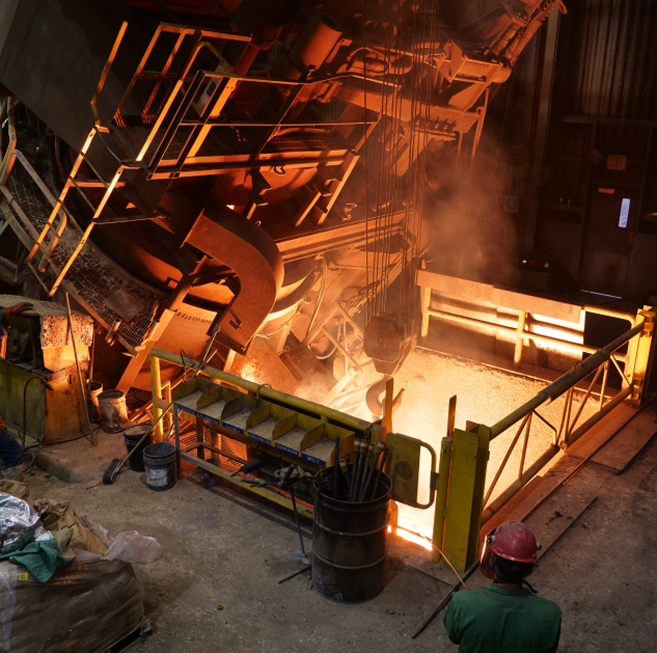
Improved Design Flexibility for Warm Management
Style adaptability in warm monitoring is a crucial quality of light weight aluminum castings that permits engineers to enhance thermal performance in different applications. Aluminum Foundry. The flexibility of light weight aluminum enables the development of intricate geometries and tailored layouts, which are important for efficient warmth dissipation. This adaptability assists in the integration of air conditioning networks, fins, and various other features that improve thermal transfer in commercial systemsThe capability to create light-weight parts without endangering structural stability enables for ingenious styles that can effectively take care of warmth in constrained rooms. By leveraging innovative casting methods, engineers can adjust the thermal residential or commercial properties of light weight aluminum spreadings to satisfy certain functional demands. This degree of personalization not only enhances performance however also contributes to energy efficiency, ultimately leading to reduced operational expenses. This way, aluminum castings work as a substantial source for sectors looking for improved warm management solutions.
Resistance to Corrosion and Oxidation
Effective warm monitoring is often tested by ecological elements, particularly deterioration and oxidation. Light weight aluminum shop castings exhibit superior resistance to these problems, making them an excellent selection for industrial systems. The natural development of a protective oxide layer on light weight aluminum surface areas aids stop even more destruction, making certain the stability of components over time. This integral resistance enables aluminum spreadings to maintain their architectural and thermal buildings even in harsh settings, where exposure to dampness, chemicals, and differing temperature levels can cause significant wear in other products.The lightweight nature of light weight aluminum, incorporated with its rust resistance, adds to the durability of industrial applications. This longevity minimizes the regularity of replacements and maintenance, inevitably sustaining efficient warmth dissipation. Consequently, light weight aluminum shop castings are not only helpful for their thermal buildings but likewise for their capacity to withstand destructive and oxidative difficulties, ensuring peak performance popular setups.
Cost-Effectiveness and Power Performance
The cost-effectiveness and energy effectiveness of light weight aluminum factory spreadings existing considerable advantages for makers. By decreasing production expenses and using power financial savings, these spreadings stand for a sensible selection for business aiming to enhance their procedures. In addition, the long-term investment value related to light weight aluminum spreadings boosts their charm in a competitive market.Lower Manufacturing Prices
While lots of markets face increasing production costs, aluminum shops have actually progressively transformed to ingenious methods to enhance cost-effectiveness and power efficiency. The use of aluminum for shop spreadings provides significant benefits, as it calls for much less energy to produce contrasted to other metals. In addition, light weight aluminum's light-weight nature decreases transport expenses and simplifies handling throughout producing processes.Using innovative casting strategies, such as die casting and lost foam spreading, can better streamline manufacturing and reduce waste. Aluminum Casting. These contemporary strategies not just result in faster turn-around Metal Casting times but additionally enable the efficient use resources. Subsequently, aluminum shops are better positioned to keep competitive prices, ultimately profiting markets reliant on top quality spreadings for their operations
Power Cost Savings Conveniences
Energy financial savings represent an essential benefit for aluminum foundries, especially in the context of cost-effectiveness and energy performance. The lightweight nature of aluminum enables for reduced power consumption during production and transportation processes. Furthermore, light weight aluminum castings exhibit premium thermal conductivity, enabling effective warmth dissipation in commercial systems. This efficiency lessens the requirement for extensive air conditioning devices, resulting in lower power prices in the lengthy run. The resilience and durability of aluminum castings decrease the frequency of replacements, contributing to general power savings in production cycles. By incorporating aluminum factory spreadings, industries can accomplish substantial decreases in energy expense while boosting functional performance, making it a strategic choice for cost-conscious suppliers looking for lasting remedies.Long-Term Financial Investment Worth
Buying light weight aluminum factory castings supplies substantial long-term value, particularly concerning cost-effectiveness and energy effectiveness. These castings not only boost warmth dissipation however likewise add to total system performance, leading to reduced functional expenses. The lightweight nature of aluminum permits easier handling and transport, lessening logistical expenditures. Furthermore, aluminum's sturdiness guarantees a much longer life expectancy, decreasing the demand for constant substitutes. Efficient heat monitoring translates into reduced energy intake, which can markedly lower utility costs over time. In addition, business can take advantage of enhanced productivity as systems run much more successfully. Inevitably, the initial investment in light weight aluminum foundry castings yields notable returns, making them a wise choice for markets aiming to enhance efficiency while regulating expenses.Applications of Light Weight Aluminum Foundry Castings in Sector
Light weight aluminum shop castings play a crucial role in different commercial applications due to their one-of-a-kind buildings, including lightweight layout and excellent thermal conductivity. These spreadings are widely made use of in the automotive industry for engine blocks, transmission instances, and heat exchangers, where effective heat dissipation is important for efficiency and safety. In the aerospace market, light weight aluminum spreadings add to the reduction of aircraft weight, consequently improving gas efficiency and general airplane performance. In addition, in the electronic devices sector, aluminum castings are utilized in warm enclosures and sinks, assisting in effective thermal management in devices. The flexibility of aluminum factory castings prolongs to manufacturing machinery elements, where longevity and resistance to deterioration are essential. In general, the applications of aluminum foundry spreadings extend numerous sectors, emphasizing their value beforehand modern technology and boosting operational efficiency.
Often Asked Concerns
Exactly How Do Aluminum Castings Compare to Other Products for Heat Dissipation?
Light weight aluminum castings generally outshine numerous other products in warmth dissipation as a result of their outstanding thermal conductivity. Compared to steel or plastic, aluminum successfully moves warmth, making it a favored option for industrial applications requiring reliable thermal management.What Is the Life-span of Light Weight Aluminum Shop Castings in Industrial Applications?
The life expectancy of aluminum shop spreadings in industrial applications normally varies from 10 to thirty years, depending on ecological conditions, maintenance, and functional stresses, making them a sturdy selection for different industrial requirements.Exactly How Do Temperature Variants Impact Aluminum Spreading Efficiency?
Temperature variants can greatly affect light weight aluminum casting performance, causing thermal growth or tightening. These changes may cause bending, tension fractures, or modified mechanical buildings, eventually affecting the sturdiness and reliability of the actors components in industrial applications.Can Light Weight Aluminum Castings Be Recycled After Their Life Cycle?
Yes, light weight aluminum spreadings can be recycled after their life process. The recycling procedure retains the metal's residential or commercial properties, making it a lasting selection for various applications, therefore decreasing waste and saving sources in industrial operations.What Surface Area Therapies Boost Aluminum's Heat Dissipation Features?
Surface treatments such as anodizing, paint with thermally conductive coatings, and applying warmth sinks significantly boost light weight aluminum's heat dissipation buildings. These methods enhance surface location and thermal conductivity, optimizing efficiency in numerous commercial applications.Aluminum factory castings play a crucial role in improving warmth dissipation within industrial systems. When used in factory castings, light weight aluminum can be built right into intricate shapes that boost warmth dissipation further. Design flexibility in warm administration is a vital feature of aluminum castings that permits engineers to enhance thermal performance in different applications. By leveraging advanced casting methods, engineers can adjust the thermal residential properties of light weight aluminum spreadings to fulfill details functional needs. In addition, aluminum castings show premium thermal conductivity, making it possible for reliable warmth dissipation in commercial systems.
Report this wiki page